Category: Blogging (Page 15 of 30)

The Power of Digital Marketing in E-commerce: A Must-Have Tool for B2B and B2C Marketers

Digital Marketing has revolutionized the way businesses operate, especially in the realm of e-commerce. As technology continues to advance, it is essential for B2B marketers, B2C marketers, and marketing agencies to embrace the power of digital marketing to grow their businesses. In this blog post, we will explore how key digital marketing strategies such as content marketing, Facebook marketing, and Instagram marketing can help businesses thrive in the online marketplace.

Content Marketing: Fueling Engagement and Brand Recognition

Content marketing plays a pivotal role in digital marketing, acting as a bridge between businesses and their customers. By creating high-quality and relevant content, businesses can enhance their online presence and establish themselves as industry thought leaders. B2B marketers can leverage informative blog posts, whitepapers, and case studies to engage with decision-makers and build trust. On the other hand, B2C marketers can utilize captivating videos, infographics, and social media posts to connect with their target audience and increase brand recognition.

Facebook Marketing: Reaching a Global Audience

With over 2.8 billion monthly active users, Facebook has become an indispensable tool for businesses looking to expand their reach. Through targeted ads and promoted posts, B2B and B2C marketers can precisely target their desired audience segments based on demographics, interests, and behaviors. Additionally, Facebook provides a platform for businesses to create engaging and interactive content, fostering a sense of community and encouraging meaningful conversations.

Instagram Marketing: Captivating Visual Storytelling

As humans, we are naturally drawn to visual content, which is why Instagram has emerged as a compelling platform for marketing. B2C marketers, in particular, can tap into Instagram’s visually-driven ecosystem to showcase their products and tell captivating brand stories. Instagram’s user-friendly features, such as Stories, Reels, and IGTV, enable businesses to connect with their target audience in more personal and authentic ways. By fostering a visually appealing and aspirational brand identity, businesses can effectively drive customer engagement and conversion rates.

In conclusion, digital marketing presents immense opportunities for B2B marketers, B2C marketers, and marketing agencies in their pursuit of success in e-commerce. By utilizing powerful strategies such as content marketing, Facebook marketing, and Instagram marketing, businesses can attract, engage, and convert potential customers like never before. Embrace the digital revolution and unlock the full potential of your e-commerce endeavors!
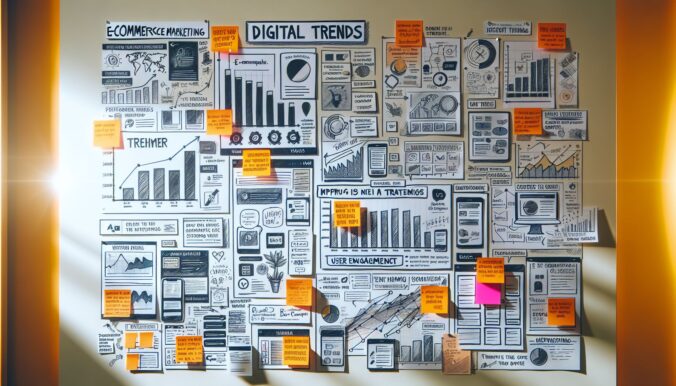
Digital Marketing Trends: Boost Your E-commerce Marketing Strategy

As competition in the digital landscape continues to intensify, it has become essential for both B2B and B2C marketers, as well as marketing agencies, to stay at the forefront of digital marketing trends. With the rise of e-commerce, marketers need to adopt effective strategies that can maximize their online presence and drive sales. In this blog post, we will explore some key trends in digital marketing that can help you enhance your e-commerce marketing game.

Content Marketing: Fuel Your Online Success

Content marketing remains a powerful tool in engaging and attracting potential customers. By creating high-quality and informative content, businesses can establish themselves as industry experts and build trust with their audience. Whether it’s producing blog articles, videos, or infographics, content that provides value will help you gain visibility and drive organic traffic to your e-commerce website.

Maximizing Social Media: The Power of Facebook and Instagram Marketing

Social media platforms have become integral to any successful digital marketing strategy. Facebook and Instagram marketing, in particular, offer immense opportunities to connect with your target audience. Facebook Ads allow you to reach a highly targeted demographic, while Instagram provides a visually captivating platform to showcase your products.

The Importance of a Holistic Approach

To achieve optimal results, it is crucial to integrate various digital marketing channels. Combining content marketing with social media campaigns can amplify your reach and engagement. For instance, creating engaging blog posts and promoting them through Facebook or featuring your products in stunning Instagram visuals will help drive traffic and boost sales.

Leveraging Data Analytics for Insights and Optimization

Data analytics plays a crucial role in optimizing your digital marketing efforts. By analyzing user behavior, you can identify areas of improvement and refine your strategies accordingly. Use tools like Google Analytics to gain insights into website traffic, user demographics, and conversion rates. These valuable insights can guide your decision-making process and enable you to target your marketing efforts more accurately.

In conclusion, to thrive in the competitive e-commerce landscape, digital marketers must evolve and adapt. By embracing effective content marketing, leveraging social media platforms like Facebook and Instagram, and utilizing data analytics to refine strategies, businesses can optimize their e-commerce marketing efforts and drive success. Stay up-to-date with the latest trends, experiment, and monitor your results to ensure continuous improvement in your digital marketing strategies.

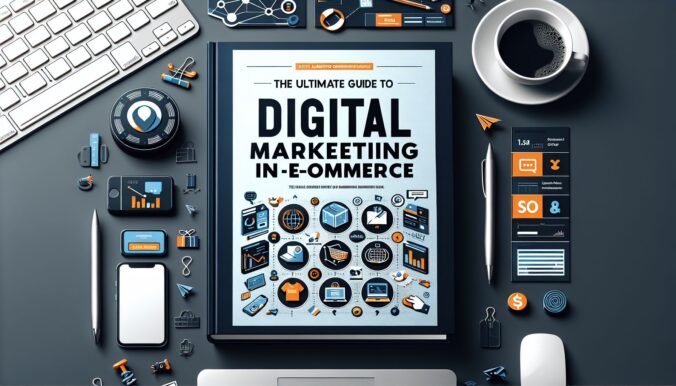
The Ultimate Guide to Digital Marketing in E-commerce

In today’s digital age, successful marketing strategies are essential for businesses to thrive, especially in the e-commerce industry. With the increasing competition and ever-changing consumer behavior, leveraging the power of digital marketing is crucial for B2B and B2C marketers, as well as marketing agencies. In this article, we will explore the importance of digital marketing in e-commerce and the key areas to focus on – content marketing, Facebook marketing, and Instagram marketing.

Content Marketing: Driving Engagement and Sales

Content marketing plays a pivotal role in e-commerce success. By providing valuable and relevant content, businesses can engage their target audience and build trust with potential customers. Whether it’s blog posts, videos, or infographics, creating compelling content can enhance brand awareness and drive more traffic to your website. Moreover, a well-crafted content marketing strategy can boost your website’s search engine rankings, making it easier for customers to find you.

Facebook Marketing: Reaching a Wide Audience

With over 2.8 billion monthly active users, Facebook is a powerful platform for e-commerce marketing. Through targeted advertising, businesses can reach a vast audience and increase brand visibility. Facebook Ads allow you to personalize your campaigns based on demographics, interests, and behaviors, ensuring that your message reaches the right people at the right time. Additionally, Facebook’s advanced analytics allow you to track the performance of your ads, allowing you to optimize your campaigns and drive higher ROI.

Instagram Marketing: Showcasing Products Creatively

As a visually-oriented platform, Instagram is a perfect fit for e-commerce marketing. Through eye-catching photos and videos, businesses can showcase their products in a creative and engaging way, enticing potential customers. With Instagram Shopping, businesses can even tag their products in posts, allowing users to purchase seamlessly within the app. Leveraging Instagram influencers and engaging with the community through hashtags and interactive content can significantly enhance your brand’s reach and engagement.

In conclusion, digital marketing is indispensable in e-commerce today. By focusing on content marketing, Facebook marketing, and Instagram marketing, businesses can effectively engage their target audience, increase brand visibility, drive more traffic, and ultimately boost sales. Embrace these strategies, adapt to the ever-evolving digital landscape, and stay ahead of your competition. Are you ready to take your e-commerce marketing to the next level?

Note: This blog post should be written using combined instructions from chat logs.

The Power of Digital Marketing for B2B and B2C Marketers

In today’s digital age, the success of any business, be it B2B or B2C, greatly depends on its marketing strategies. With the rise of e-commerce, digital marketing has become an essential tool for businesses looking to thrive in a competitive marketplace. In this article, we will explore how digital marketing can make a significant difference for B2B marketers, B2C marketers, and marketing agencies.

Maximizing Exposure with Content Marketing

Content marketing is an effective way to engage and connect with both business and consumer audiences. By creating valuable and relevant content, businesses can establish their expertise and build trust with their target market. B2B marketers can provide industry insights through blog posts, whitepapers, or educational videos, while B2C marketers can entertain and inform their audience through engaging articles or social media posts.

Leveraging Social Media: Facebook Marketing

Social media platforms, like Facebook, have revolutionized the way businesses connect with their audience. For B2B marketers, Facebook can be a useful tool for networking and building relationships with potential clients and industry peers. Utilizing Facebook’s advertising features can help B2C marketers reach a wider audience and increase brand awareness. It is crucial to strike a balance between promotional and engaging content to keep your audience interested.

Amplifying Brand Presence: Instagram Marketing

Instagram’s visual nature makes it a powerful platform for businesses of all types. B2B marketers can showcase their products or services through high-quality images or videos. By utilizing Instagram Stories or IGTV, marketers can provide behind-the-scenes glimpses or how-to guides, fostering a sense of authenticity. B2C marketers can leverage user-generated content to create a community and strengthen brand loyalty.

Conclusion

Digital marketing has leveled the playing field for businesses, offering equal opportunities for B2B and B2C marketers to establish their presence and drive growth. By adopting strategies such as content marketing, Facebook marketing, and Instagram marketing, businesses can effectively engage their target audience, increase brand visibility, and ultimately achieve their marketing goals. So, whether you are a B2B marketer, B2C marketer, or part of a marketing agency, it’s time to embrace the power of digital marketing and take your business to new heights.

Digital Marketing Strategies for B2B, B2C Marketers, and Marketing Agencies

Digital marketing has revolutionized the way businesses promote their products and services. In today’s fast-paced digital world, effective marketing strategies are vital for B2B marketers, B2C marketers, and marketing agencies. From content marketing to Facebook and Instagram marketing, the possibilities for reaching and engaging with target audiences are endless. Here, we will delve into the key digital marketing strategies that can propel businesses to greater success.

Content Marketing: The Backbone of Digital Marketing

Content marketing has emerged as a powerful tool for businesses of all sizes. Providing valuable and relevant content allows businesses to establish their expertise, build trust with their audience, and position themselves as industry leaders. Whether it’s blog posts, videos, or social media updates, high-quality content can drive organic traffic and generate leads. Remember, content should be informative, engaging, and offer solutions to customers’ problems.

Facebook: Leveraging the Power of Social Media

With over 2.8 billion monthly active users, Facebook continues to dominate the social media landscape. To leverage this massive user base, businesses can create targeted ad campaigns to reach their ideal customers. Combining captivating visuals, compelling copy, and precise targeting, Facebook marketing enables businesses to reach the right audience with the right message. Additionally, Facebook groups and pages provide opportunities for businesses to interact with their customers and build a community around their brand.

Instagram: Visual Storytelling at Its Best

Instagram boasts over 1 billion users, making it an attractive platform for businesses looking to connect with younger demographics. The platform’s emphasis on visual content allows businesses to showcase their products or services in a compelling and creative way. By utilizing features such as Instagram Stories, IGTV, and influencer partnerships, businesses can grab the attention of their target audience and drive engagement. Remember to maintain a consistent brand look and feel, and use relevant hashtags to increase discoverability.

In conclusion, digital marketing has become an indispensable part of any successful marketing strategy. For B2B marketers, B2C marketers, and marketing agencies, content marketing, Facebook marketing, and Instagram marketing present immense opportunities to connect with target audiences, grow brand awareness, and ultimately drive sales. By leveraging these strategies effectively, businesses can stay ahead of the competition in the dynamic digital landscape.

Now it’s your turn! How have you utilized digital marketing strategies in your business? Let us know in the comments below!

How to Leverage Digital Marketing for E-commerce Success

Digital marketing has become increasingly important for businesses across all industries, especially in the competitive world of e-commerce. With the rise of online shopping and consumer behavior shifting towards the virtual realm, it has never been more crucial for B2B marketers, B2C marketers, and marketing agencies to understand and implement effective digital marketing strategies.

The Power of Content Marketing

Content marketing plays a vital role in digital marketing for e-commerce. By creating valuable and engaging content, businesses can attract and retain customers, increase brand awareness, and ultimately drive sales. Whether it’s informative blog posts, engaging social media updates, or compelling product descriptions, content marketing is the foundation of any successful e-commerce marketing strategy.

Harness the Power of Social Media

Social media platforms such as Facebook and Instagram have revolutionized the way businesses connect with their target audience. With billions of active users, these platforms offer incredible opportunities for e-commerce marketing. Utilize Facebook marketing and Instagram marketing to engage with your customers, showcase your products, and drive traffic to your e-commerce website. By leveraging these platforms effectively, businesses can significantly increase their online visibility and reach.

Personalize and Optimize

In the digital world, personalization is key. Take advantage of advanced analytics and customer data to tailor your marketing efforts to individual preferences. By understanding your customers’ behavior, you can create personalized marketing campaigns that resonate with them on a deeper level. Additionally, optimize your website for search engines and user experience to ensure that it appears at the top of search engine results and provides a seamless browsing experience for your potential customers.

Conclusion

In today’s ever-evolving digital landscape, e-commerce businesses cannot afford to neglect the power of digital marketing. By implementing a comprehensive strategy that includes content marketing, Facebook marketing, and Instagram marketing, businesses can effectively reach and engage with their target audience, driving greater brand awareness and ultimately boosting sales. Embrace the power of digital marketing and stay ahead of the competition in the fast-paced world of e-commerce.

Boost Your Marketing Strategy with Digital Marketing and E-commerce Marketing

In today’s digital age, where online presence plays a vital role in business success, it is crucial for marketers to stay up to date with the latest trends and strategies. Digital marketing and e-commerce marketing have become indispensable tools for B2B marketers, B2C marketers, and marketing agencies alike. Let’s explore how these two strategies can help you boost your marketing efforts.

Harness the Power of Content Marketing

Content marketing has emerged as a powerful tool to engage and educate your target audience. By providing valuable and relevant content, you can establish your brand as a trusted authority in your industry. Not only does this improve customer loyalty, but it also increases your digital visibility.

Platforms like Facebook have vast user bases, making them ideal for content dissemination. Engaging your audience with well-crafted posts and interactive content on Facebook can drive traffic to your website and generate leads. Remember, the key is to provide valuable content and not just promotional material.

Leverage Instagram Marketing

Instagram’s visual nature makes it an ideal platform for showcasing your products and telling your brand story. Craft compelling visuals and captivating captions to grab your audience’s attention. Utilize Instagram features like Stories, IGTV, and Reels to create engaging content that resonates with your target market.

Consumers today crave authenticity, so be sure to showcase the human side of your brand. User-generated content, behind-the-scenes peeks, and influencer collaborations can all help build trust and rapport with your audience.

Implement E-commerce Marketing Strategies

For B2C marketers, e-commerce marketing is a game-changer. With the rise of online shopping, it is essential to optimize your sales funnel and create a seamless customer experience. Utilize personalized email marketing campaigns to nurture leads and convert them into customers. Leverage customer data and analytics to tailor your messaging and promotions.

For B2B marketers, e-commerce platforms like Shopify and WooCommerce provide excellent opportunities to sell products and services directly to other businesses. Streamline your sales process, offer discounts, and provide a user-friendly experience to attract and retain clients.

In conclusion, digital marketing and e-commerce marketing present endless possibilities for B2B marketers, B2C marketers, and marketing agencies. By leveraging content marketing, Facebook marketing, Instagram marketing, and implementing effective e-commerce strategies, you can drive brand awareness, increase customer engagement, and boost your overall marketing success.

So, what are you waiting for? Embrace the power of digital marketing and e-commerce marketing today and take your marketing strategy to new heights.

Boost Your Digital Marketing Strategy with E-commerce Marketing

As marketers, we understand the power of digital marketing in today’s business landscape. Whether you’re a B2B marketer, B2C marketer, or a marketing agency, there’s no denying the importance of leveraging e-commerce platforms to reach your target audience effectively. In this blog post, we’ll explore how e-commerce marketing can enhance your digital marketing efforts and provide you with valuable insights to engage your customers.

Building a Solid Content Marketing Strategy

Content marketing plays a pivotal role in driving organic traffic and increasing brand awareness. By regularly creating and distributing high-quality content, you can position your brand as an industry thought leader and attract potential customers.

To maximize the impact of your content marketing strategy, it’s crucial to consider e-commerce platforms. Whether it’s hosting blog posts on your website or creating product descriptions that captivate your audience, incorporating e-commerce elements ensures that your content serves both informative and promotional purposes.

Leveraging the Power of Facebook Marketing

With billions of active users, Facebook provides an unparalleled opportunity to connect with your target audience. By leveraging Facebook marketing, you can build brand awareness, drive traffic to your website, and generate leads.

When incorporating e-commerce strategies into your Facebook marketing efforts, consider running ads that showcase your products or services. By targeting specific demographics and utilizing compelling visuals, you can grab your audience’s attention and encourage them to make a purchase.

Utilizing Instagram Marketing for Visual Appeal

Instagram, with its visually-driven platform, is a goldmine for businesses looking to market their products or services to a wide audience. With a carefully curated feed, captivating visuals, and strategic use of hashtags, you can effectively engage your customers and boost brand loyalty.

To capitalize on Instagram marketing, incorporate e-commerce elements by showcasing your products in an aesthetically appealing way. Users should be able to click on your posts to discover more about your product or service, facilitating a seamless purchase journey.

In conclusion, integrating e-commerce marketing into your digital marketing strategy is crucial for success in today’s competitive landscape. By leveraging content marketing, Facebook marketing, and Instagram marketing, you can attract, engage, and convert your target audience effectively. Remember, creating valuable and engaging content is key to building your brand’s reputation, driving traffic, and ultimately boosting your bottom line. So, what are you waiting for? Start incorporating e-commerce elements into your digital marketing efforts today!

Importance of Digital Marketing in E-commerce for B2B and B2C Marketers and Marketing Agencies

The digital landscape has transformed the way businesses and consumers connect with each other. In today’s highly competitive market, having a strong online presence is crucial for both B2B and B2C marketers. With the rise of e-commerce, digital marketing has emerged as a powerful tool to reach and engage with target audiences, driving sales and increasing brand awareness. In this blog post, we will explore the importance of digital marketing strategies, focusing on content marketing, Facebook marketing, and Instagram marketing, for B2B marketers, B2C marketers, and marketing agencies.

Content Marketing: Building Trust and Generating Leads

Content marketing plays a vital role in building trust and establishing thought leadership. By creating valuable and relevant content, businesses can attract and engage potential customers, encouraging them to explore products or services. B2B marketers can leverage content marketing through informative blog posts, case studies, and whitepapers to educate their target audience and establish credibility in their industry. B2C marketers can create compelling content such as tutorial videos or engaging social media posts to build brand loyalty and attract potential buyers.

Facebook Marketing: Targeted Advertising and Customer Engagement

Facebook remains one of the most powerful social media platforms for marketers. With its vast user base, businesses can target specific audiences based on demographics, interests, and behaviors. B2B marketers can utilize Facebook ads to reach key decision-makers and influencers, driving lead generation and nurturing relationships. B2C marketers can leverage Facebook’s interactive features to engage with customers by running contests, sharing user-generated content, and offering personalized promotions.

Instagram Marketing: Visual Storytelling and Influencer Collaborations

Instagram has become a go-to platform for visual storytelling, making it ideal for showcasing products and services. B2B marketers can create visually appealing content to exhibit their brand’s values and showcase behind-the-scenes actions. B2C marketers, on the other hand, can take advantage of Instagram’s visually-oriented format to drive product discovery, user-generated content, and influencer collaborations. By partnering with relevant influencers, businesses can reach a wider audience and establish trust through authentic recommendations.

In conclusion, digital marketing strategies such as content marketing, Facebook marketing, and Instagram marketing are indispensable tools for both B2B and B2C marketers, as well as marketing agencies. These strategies offer unique opportunities to connect with target audiences, build brand awareness, generate leads, and ultimately drive sales. By leveraging these digital marketing channels effectively, businesses can stay ahead of the competition and thrive in the evolving e-commerce landscape.

Digital Marketing Strategies for B2B and B2C Marketers: Boost Your E-commerce Game

In today’s rapidly evolving digital landscape, effective marketing strategies are crucial for B2B and B2C marketers alike. With the rise of e-commerce, it’s essential to leverage digital platforms to reach and engage with target audiences. This blog post explores the importance of digital marketing, as well as the role of content, Facebook, and Instagram marketing in boosting your e-commerce game.

Embracing Content Marketing for E-commerce Success

Content marketing has become a pivotal aspect of any successful digital marketing strategy. By creating valuable and engaging content, you can establish your brand as a thought leader in your industry. This, in turn, can lead to increased brand awareness, customer loyalty, and ultimately, conversions.

For B2B marketers, creating informative white papers, case studies, and webinars can help position your brand as a trusted authority in your niche. B2C marketers, on the other hand, can leverage content such as blog posts, product videos, and user-generated content to attract and engage their target audience.

Harnessing the Power of Facebook Marketing

With billions of active users, Facebook remains one of the most powerful platforms for digital marketing. When utilized effectively, this social media giant can significantly boost your e-commerce success.

Facebook offers a range of advertising options, allowing you to target specific demographics, interests, and behaviors. This enables you to tailor your ads to reach your ideal customers and drive conversions. Additionally, Facebook’s advanced analytics provide valuable insights into the performance of your campaigns, allowing you to make data-driven decisions and optimize your strategies.

Leveraging Instagram for Visual Appeal and Engagement

While Facebook excels in reaching a broad audience, Instagram is the go-to platform for visually driven marketing campaigns. With its emphasis on captivating images and videos, Instagram allows brands to showcase their products or services in a visually appealing and engaging way.

For B2B marketers, Instagram can be leveraged to showcase behind-the-scenes content, company culture, and employee stories, adding a human touch to your brand. B2C marketers can use Instagram’s shoppable posts and Stories features to drive product discovery and generate sales.

Conclusion

In today’s digital age, B2B and B2C marketers must embrace the power of digital marketing to elevate their e-commerce success. By leveraging content marketing, Facebook marketing, and Instagram marketing, brands can enhance their online presence, engage with their target audience, and drive conversions. Remember to create valuable and engaging content, make the most of Facebook’s advertising opportunities, and harness the visual appeal of Instagram to take your e-commerce game to new heights.

« Older posts Newer posts »